What is powder coating?
Powder coating is quite a technical process, and the short version hides the part that actually decides how a finish lasts. Here is how a job moves through the shop.
Coating steel, aluminium and stainless in Elizabeth South since 2000.
- Mild steel
- Galvanised steel
- Electroplated steel
- Aluminium
- Stainless steel
- Steel alloys
- Gates and fencing
- Fabrication
- Wheels and parts
- Garden statues
The short answer
A dry powder, charged, sprayed, then baked hard.
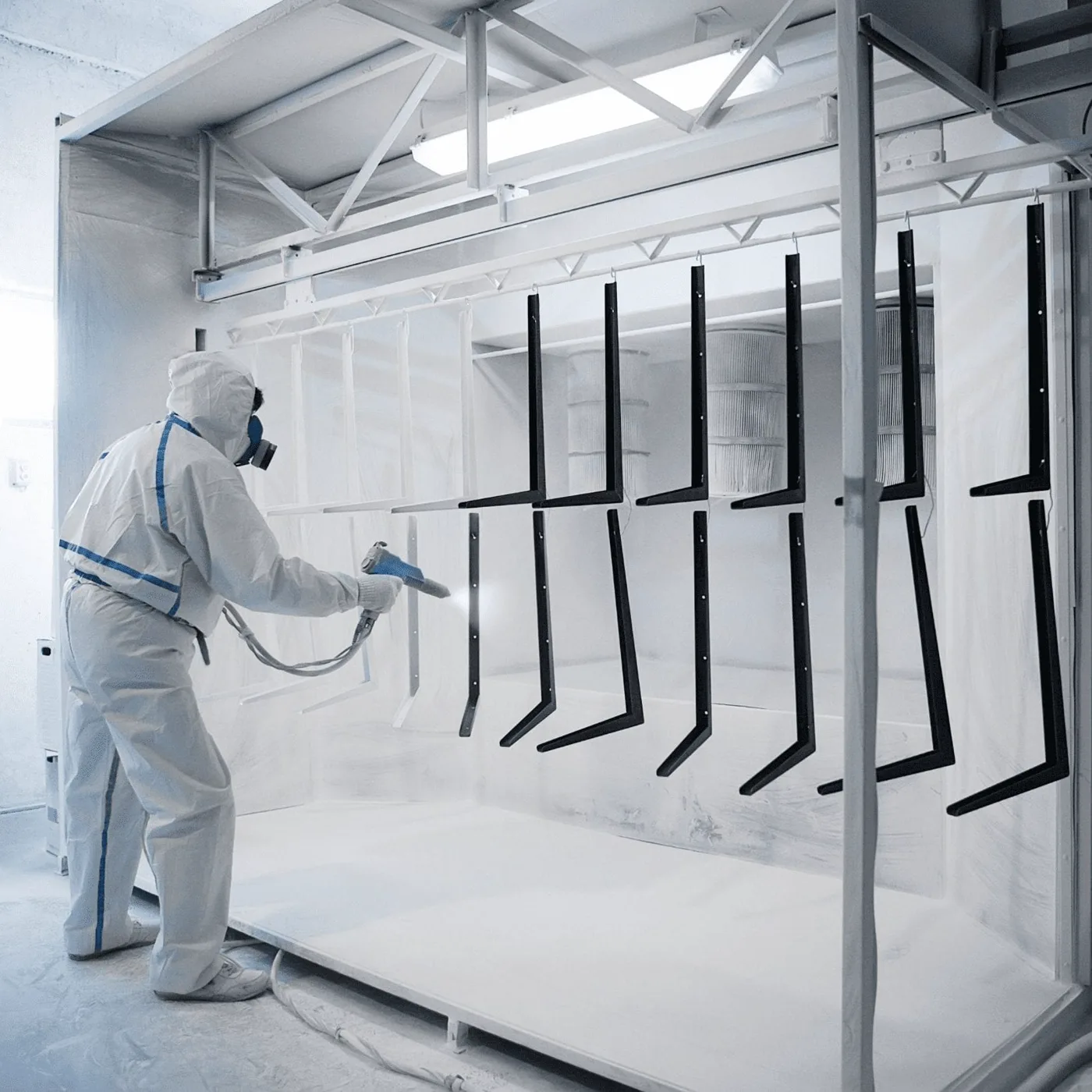
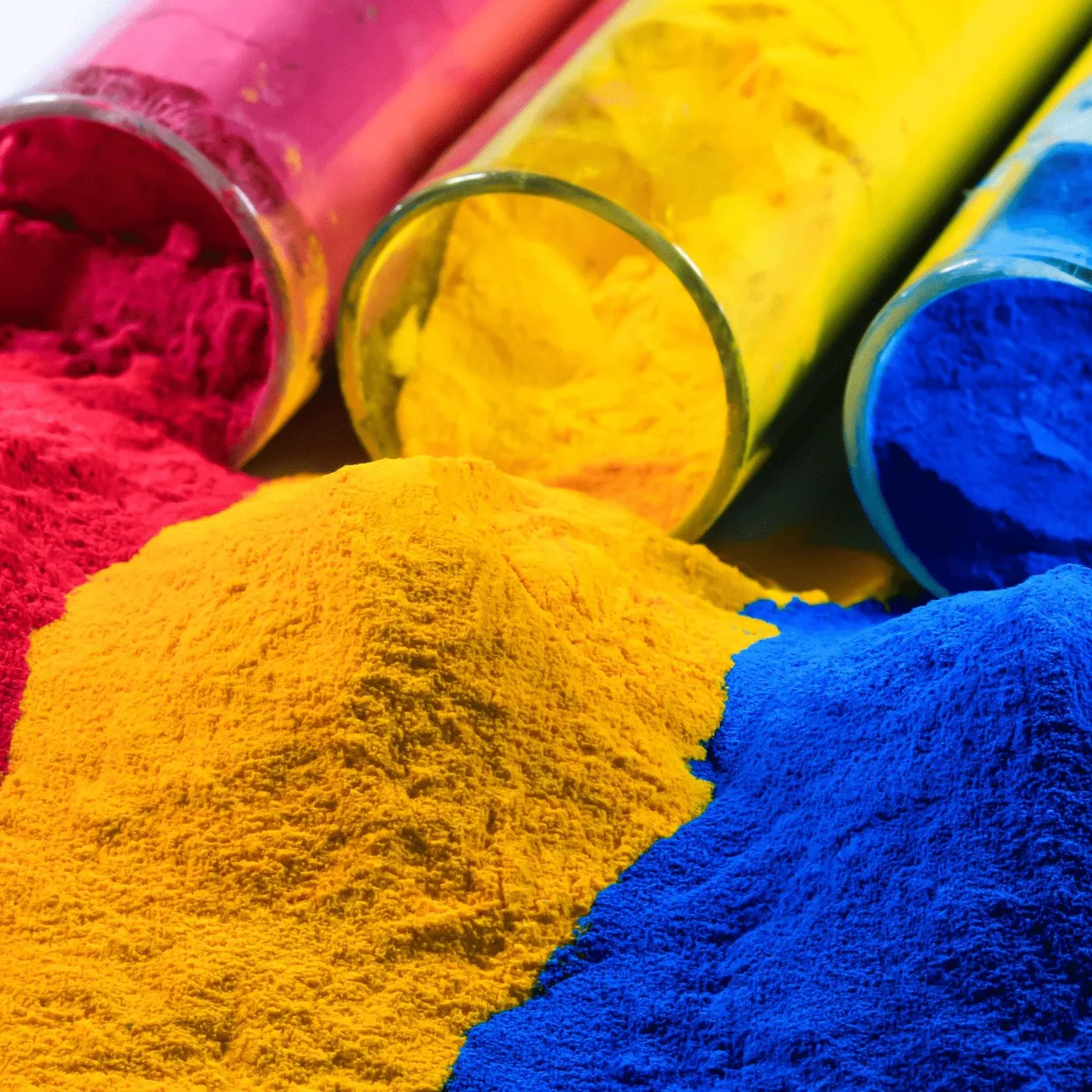
Powder Coating is quite a technical process. A dry, electrostatically charged powder, a solvent free dry mix made of plastic resins, pigment and fillers, is sprayed onto the surface of an item. The item is then placed in a hot oven which causes a chemical reaction, melting the powder and creating a beautiful finish.
In a basic sense, the process ensures the most durable, smooth finish available. There is no solvent, no runs and no brush marks, and the coating wraps the whole item rather than sitting on the faces you can reach.
What can be coated
If it holds a charge and takes the heat, it can be coated.
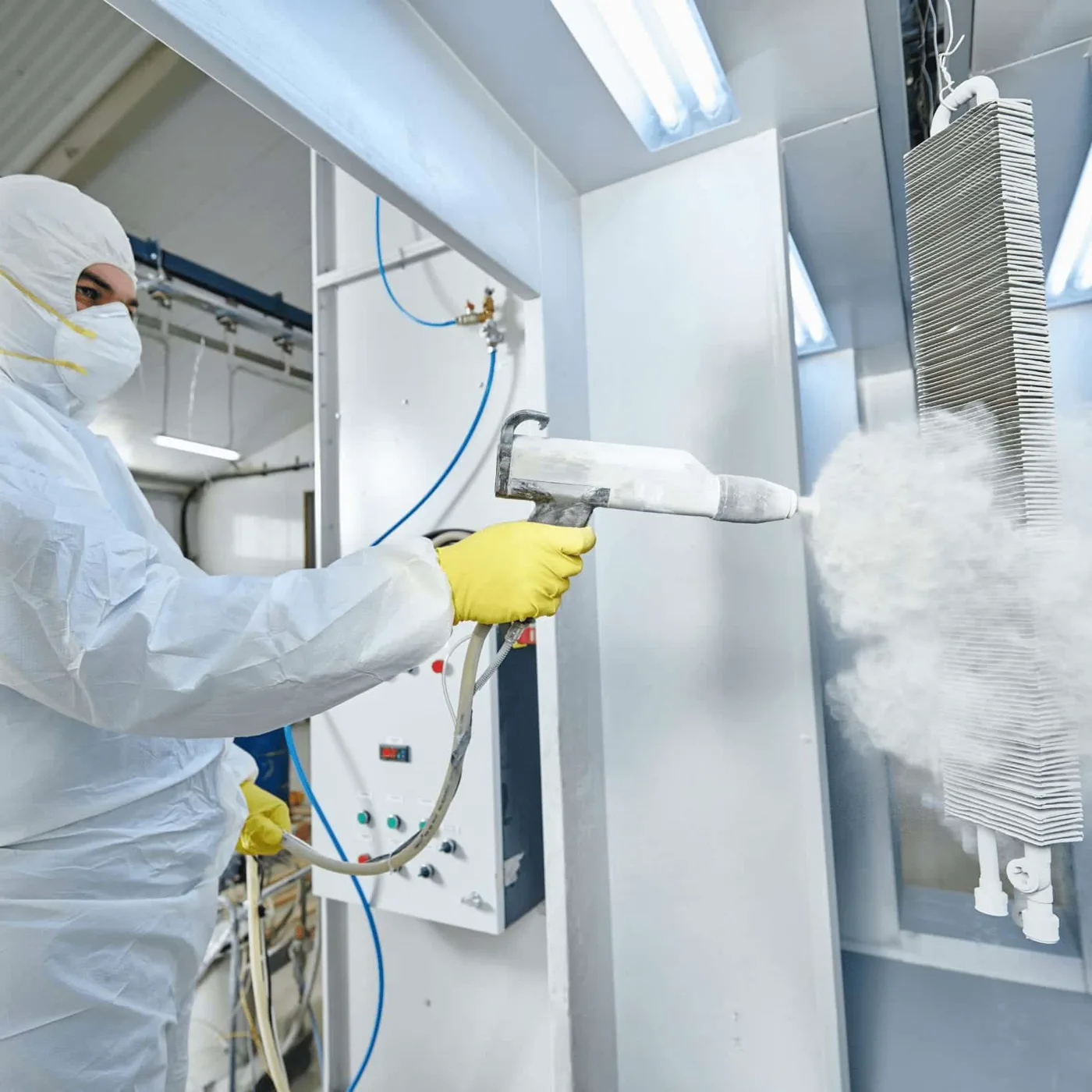
Powder Coating can be used on any object or item that holds an electrostatic charge and can withstand the heat of the oven. That covers most of what comes through the roller door.
- Mild steel Gates, frames, brackets and general fabrication.
- Galvanised and electroplated steel Coated straight over the existing plating.
- Aluminium Extrusion, architectural sections, wheels and trim.
- Stainless steel Colour and protection without losing the substrate.
- Most other steel alloys Bring it in and we will tell you straight.
- Garden statues Yes, garden statues can be powder coated.
Preparation
The success of the process relies on the prep work.
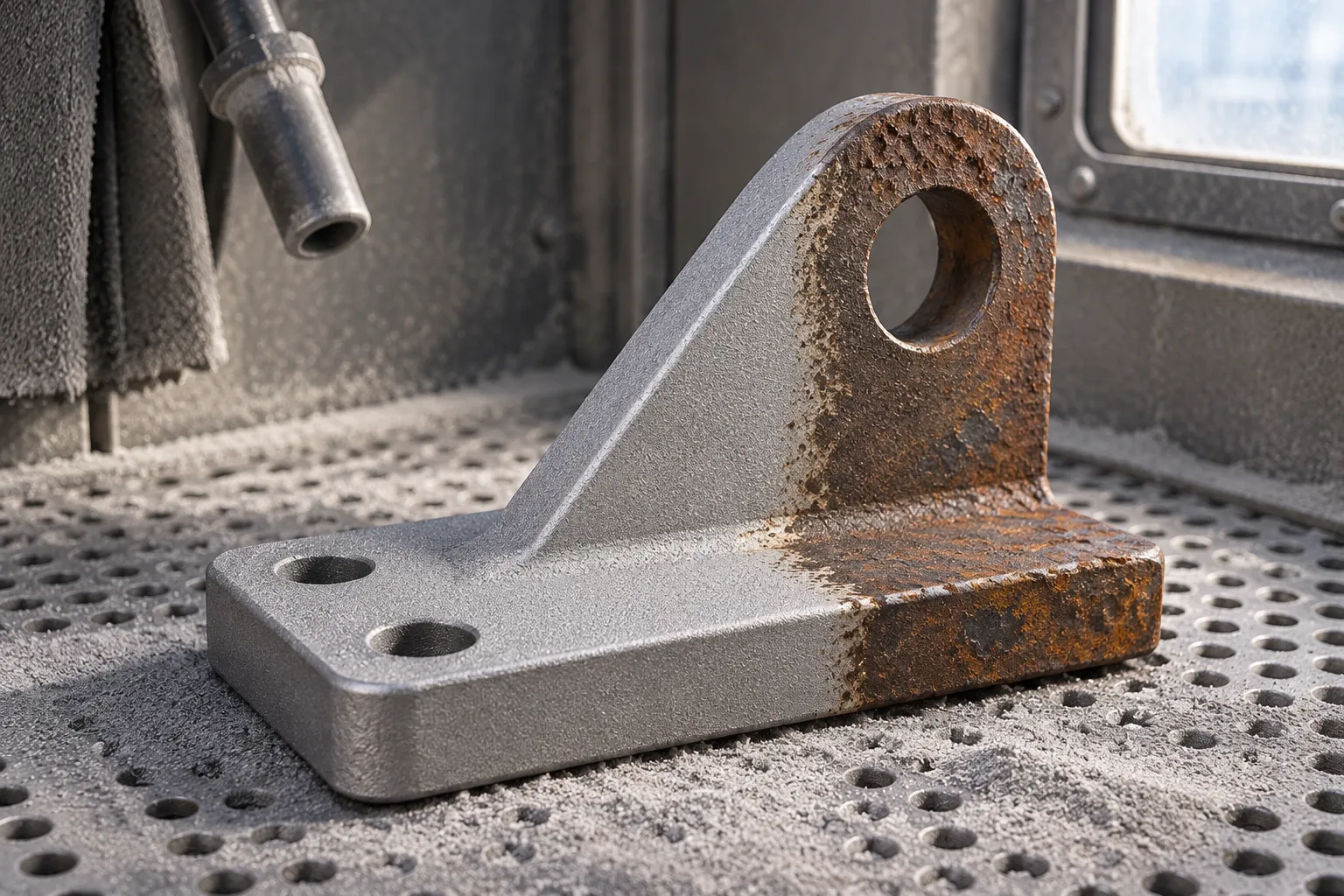
All surfaces need to be clear of any impurities in order to create the best possible outcome. A coating can only ever be as good as the metal underneath it, which is why this is the step we will not rush.
The prep work could include sanding, cleaning or abrasive blasting. Which one an item needs depends on what is already on it, how it was made and what it has been through.
-
Sanding
Knocking back rough edges, old coating and surface rust.
-
Cleaning
Removing oil, dust and residue that would spoil adhesion.
-
Abrasive blasting
Stripping back to bare metal and keying the surface.
Oven cure
Heat is what turns powder into a finish.
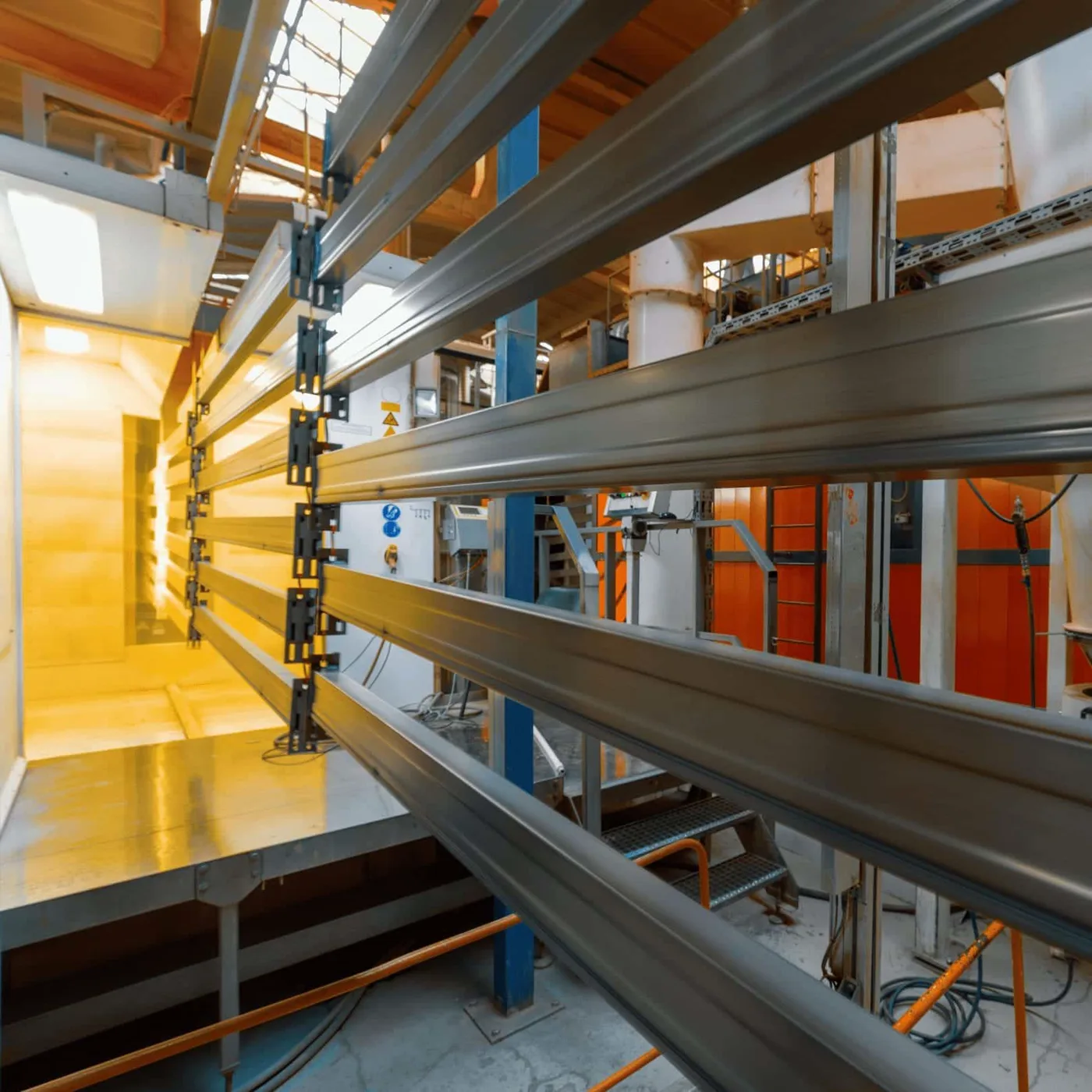
Once the powder is on, the item is placed in a hot oven. The heat causes a chemical reaction, the powder melts, flows out and cross links into a single continuous film. What goes in as loose pigment comes out as a hard, even coating.
A world of colours to select from.
Colour is only half of it. The system, the finish and the metal underneath all change how a coating wears, so we work the options through with you before anything is sprayed.
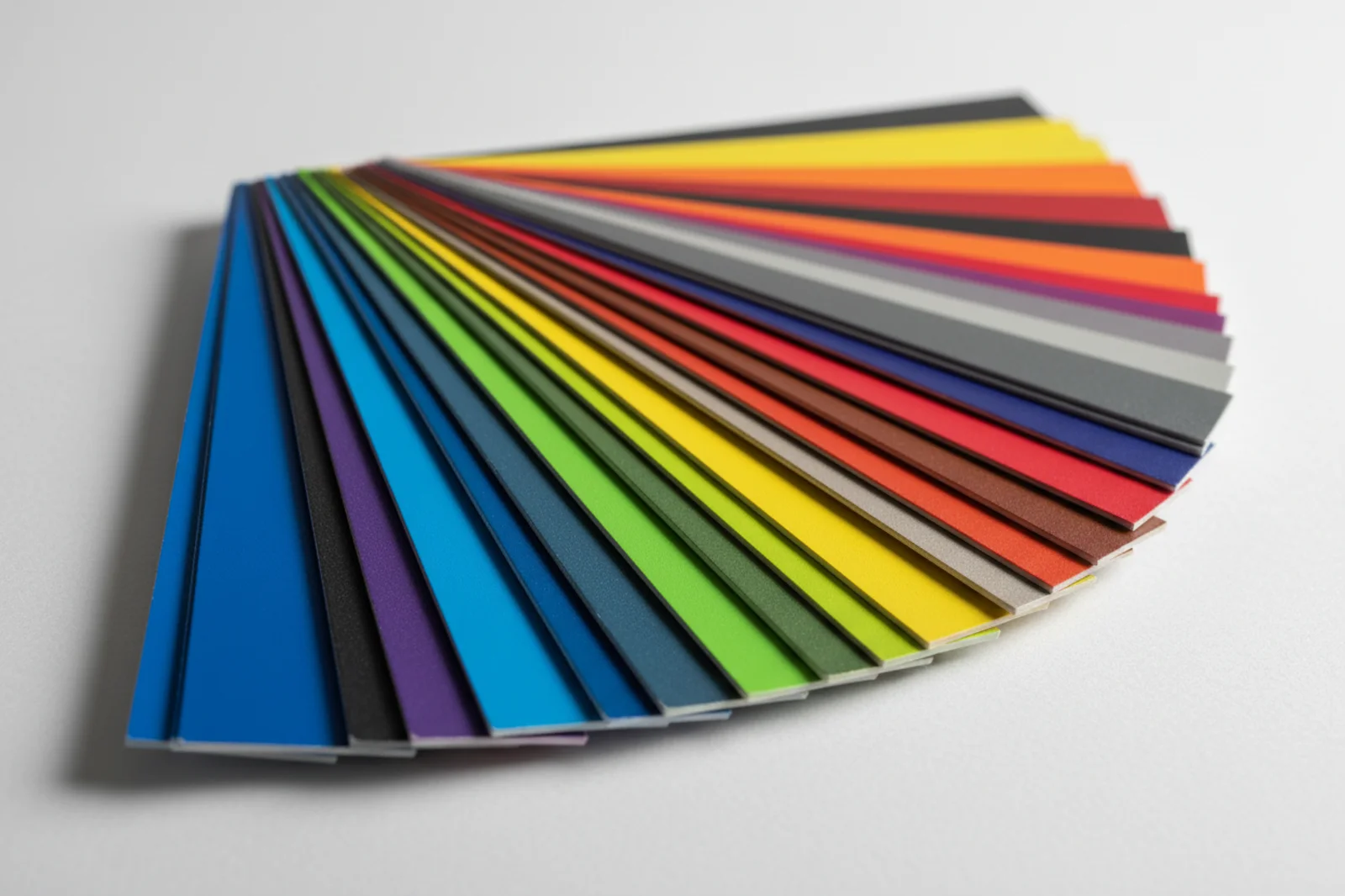
Standard architectural ranges through to chromes and candy colours, matched to the system your job or specification calls for.
- Colourbond The Australian architectural standard #4a5257
- RAL European reference colours by number #c80000
- Chromes Mirror bright metallic coatings #c9cdd0
- Candy colours Deep translucent colour over a bright base #7a0016
Gloss level changes how a surface reads and how well it hides marks. We will tell you which one suits the item rather than which one sells.
- Gloss Full reflection, easiest to wipe down #16171a
- Satin Soft sheen, the everyday middle ground #4f5358
- Matte Flat and modern, no hot spots #7d8186
- Textured Fine grain that hides handling marks #a9aeb2
Anything that holds an electrostatic charge and can take oven heat can be powder coated, which covers most metal that comes through the door.
- Mild steel Fabrication, gates, frames, brackets #41474c
- Galvanised and electroplated Coated over the top of existing plating #8d959b
- Aluminium Extrusion, architectural sections, wheels #bfc5c9
- Stainless and other alloys Most other steel alloys are no trouble #6b7379
The jobs people assume cannot be coated usually can. Bring the awkward one in and we will tell you straight whether it will work.
- Anti-graffiti Surfaces that clean back instead of staining #25415a
- Fluros and neons High visibility colour that stays bright #ff5c00
- Garden statues Yes, garden statues can be powder coated #3f5c47
- Fabrication and architectural Batch work for trades and builders #2c3033
Colours and finishes
How a job is specified
With our powder coating service, we have any colour to fit your need, including textured finishes and candy colours. Our specialist team of powder coaters only uses the most up to date technology to ensure a high quality finish every time.
- 01Substrate
- Steel, aluminium, stainless
- 02Preparation
- Sanding, cleaning or blasting
- 03Colour system
- Colourbond, RAL, chromes
- 04Finish
- Gloss, satin, matte, textured
- 05Cure
- Oven baked to a continuous film
Tell us the item and the colour and we will tell you the rest.
Questions people ask before they bring a job in.
What is powder coating?
Powder coating is a dry finishing process. A solvent free dry mix of plastic resins, pigment and fillers is electrostatically charged, sprayed onto an item, then cured in a hot oven. The heat causes a chemical reaction that melts the powder into one continuous, durable, smooth film.
What can be powder coated?
Any object that holds an electrostatic charge and can withstand the heat of the oven can be powder coated. In practice that covers mild steel, galvanised and electroplated steel, aluminium, stainless steel and most other steel alloys. Garden statues can be powder coated too.
Why does preparation matter so much?
The success of the process relies on the prep work. All surfaces need to be clear of any impurities in order to create the best possible outcome. Preparation could include sanding, cleaning or abrasive blasting depending on the item.
What colours and finishes are available?
There is a world of colours to select from, including fluros and neons, Colourbond, RAL, chromes, anti-graffiti, gloss, satin and matte. Textured finishes and candy colours are available as well.
We are more than happy to assist with any questions.
If you are not sure whether an item can be coated, or which finish suits it, do not hesitate to get in touch with us to find out more.